Overview
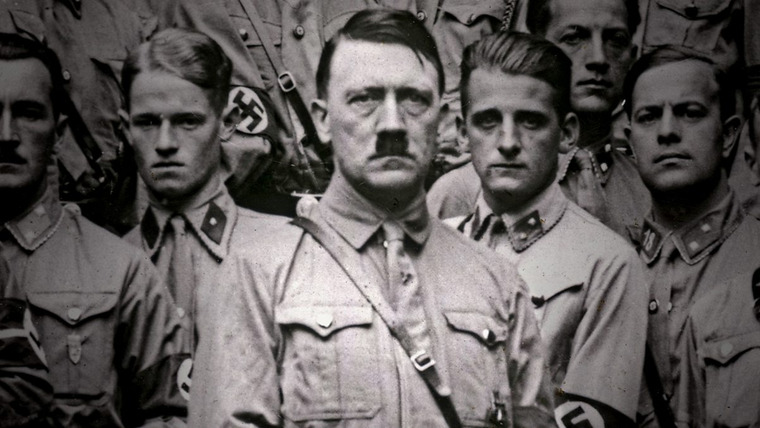
Adolf Hitler seemed an unlikely leader - fuelled by anger, incapable of forming normal human relationships and unwilling to debate political issues. Such was the depth of his hatred that he would become a war criminal arguably without precedent in history. Yet this strange character was once loved by millions. How was this possible, and what role did Hitler's alleged 'charisma' play in his success? With the help of testimony from those who lived through those times, film archive - including colour home movies - and specially shot documentary footage, this film reveals how Hitler managed to turn from a nobody in 1913 - someone thought 'peculiar' - into the chancellor and fuehrer of the German people.


A great book and (as usual) a great Lawrence Reese!
I highly recommend his previous works:
Auschwitz: the Nazis and the Last Solution / 2005
World War II: Behind Closed Doors / 2008
BBC: Nazism - a Warning to History / 1999
A terrible man, but what you can't take away from him is a tremendous amount of work on himself, his presentation, his rhetoric, and his whole image of a strong leader, seasoning it all with a haze of mysticism and the "right" speeches that Germans wanted to hear at that time (who would refuse to listen to that in all his life the problems are the fault of others, whether Communists or Jews). The bar of his speeches was so high that he began to captivate the attention of millions. The state of "superhumans" was utopianly awaiting the promised.
Even the obviously disastrous Beer Hall Putsch he was able to "rewrite" into his legendary epic, with martyrs, a holy relic and a place of worship.
Love led to the collapse of the German worldview, the distortion of the basic concepts of good and evil.
A psychopath and a criminal.
They voted for him, followed him, and later died for him.