Overview
Life in Cold Blood is a study of the evolution and habits of amphibians and reptiles, it is the sixth and last of Attenborough's specialised surveys following his major trilogy that began with Life on Earth.
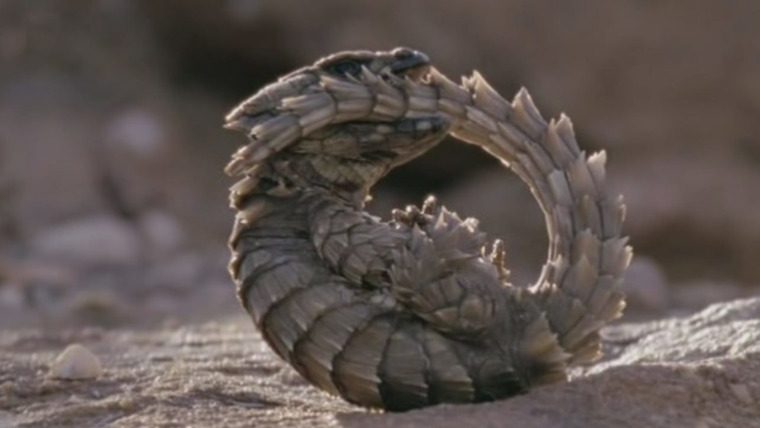
Life in Cold Blood is a study of the evolution and habits of amphibians and reptiles, it is the sixth and last of Attenborough's specialised surveys following his major trilogy that began with Life on Earth.

Again, there are a lot of wonderful, sometimes unique shots and interesting, often not very well-known facts. Unusual methods of hunting and protection, attracting a partner and caring for offspring, unique survival strategies and all sorts of extraordinary abilities and skills, techniques and tricks. The peculiarities of metabolism and energy efficiency unattainable for mammals allow cold-blooded animals to successfully survive in the most adverse conditions and master the almost lifeless regions of the planet.
Once again, modern filming technologies from the BBC Natural History department, including ultra-high-speed, thermal imaging, miniature and autonomous cameras, which helped reveal some amazing details of the existence and secrets of the success of reptiles and amphibians. Again, good informative comments, moderately thorough, and not boring at all.
It turned out to be a high-quality documentary mini-series about wildlife, very informative, quite entertaining, quite entertaining and extremely informative. I recommend.
Language. Attenborough's language is precise and economical, without unnecessary epithets, abstruse formulations and theatrical emotions, but with excellent pronunciation - correct, legible, with excellent intonation. Subtitles may be needed, in my opinion, only for certain words and terms.
and the snake that eats crayfish just doesn't have enough beer))))))