Очень трогательная серия. Трогательная история и невероятно нежная работа. Готова подписаться под каждым словом хирурга. Жаль что в нашем регионе врачи думают об оплате, вынужденно, - поскольку государство это не предупредило, а соотвественно врач мало думает о пациенте, а больше о себе. Конечно, это палка с двумя концами, и все же
Очень не хватало такого вида сериалов, качественно снятых, медицинских и таких тонких. Спасибо. Сериал напомнил мне, почему я в своём начале поступила в медицинский
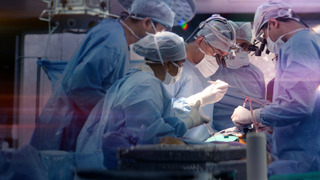
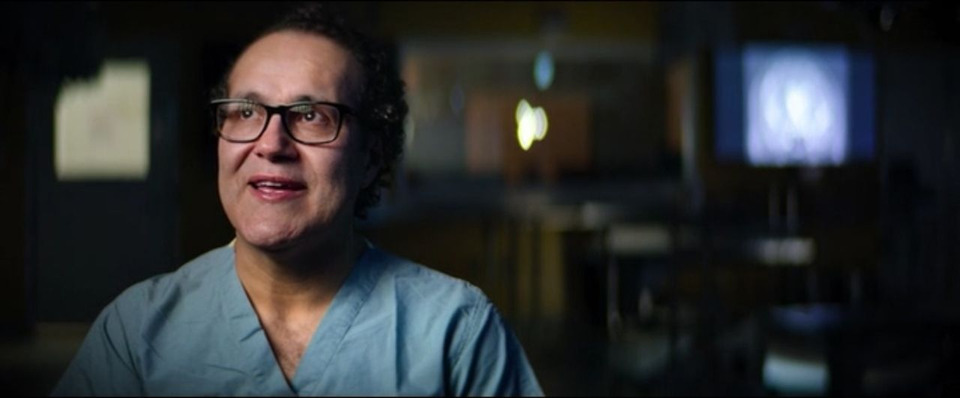
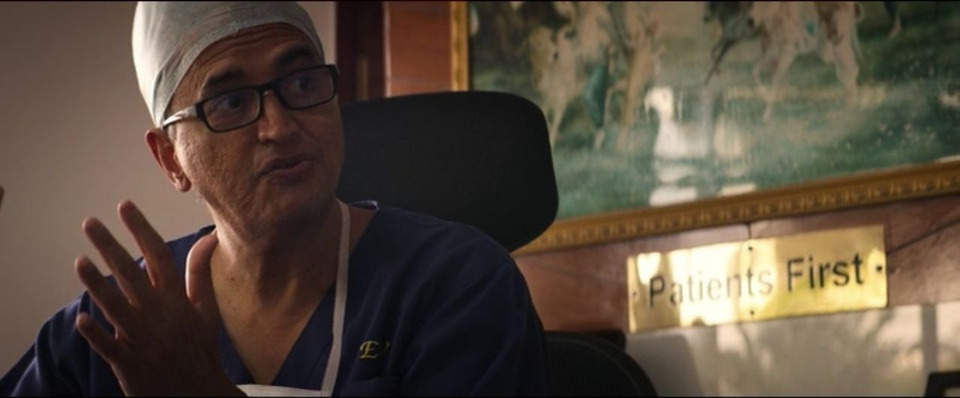
Если в предыдущей серии показывали много медицинских манипуляций и процедур, то в этой всего одна-единственная операция, растянутая на всю серию. Возможно, потому что нейрохирургические операции по-настоящему длинные: пока смотришь часовую серию, кажется, что очень долго, а потом выясняется, что именно эта операция длилась шесть часов. Интересно представляют личность героев, через их детство и место рождения. Авторы кажется уверены, что все самое важное закладывается в человека в детстве, пытаются выяснить, как так вышло, что именно этот человек стал выдающимся врачом и фанатом своего дела. На мой взгляд, эти причинно-следственные связи не очень получается показать, зато получается продемонстрировать особенности характера личности, а это уже отчасти ответ на вопрос "какая личность может пойти в эту профессию". Например, произвело впечатление, как нейрохирург, герой этой серии, работает со своими эмоциями, со страхом. Он вовсе не перестал чувствовать, проведя сотни операций на мозге, ему по-прежнему страшно, но он сознательно преобразует свой страх в ярость, направленную против болезни, убивающей его пациентов. Вообще серия очень сосредоточена на чувствах и эмоциях, это важно, а то мне как пациенту порой кажется, что чувствительность врачей притупляется, ведь столько горя вокруг. Приятно понимать, что это не так.
Герой этой серии - не только хороший врач, но и выдающийся менеджер. Благодаря высокой пропускной способности клиники умудряется оперировать даже тех, у кого нет денег на операцию. Поразила еще история в матерью Терезой! Оказывается, он ее лечил.
Если кому интересно, то в интернете наткнулся на одно из немногочисленных упоминаний о его личной жизни:
"Что касается личной жизни, то Кипрос Николаидес довольно закрытый человек. В 2008 году сообщалось, что доктор является отцом. У него есть сын Геродот ("Herodotos"; видимо, был назван в честь отца Кипроса) и дочь Деспина ("Despina"), которые живут на Кипре отдельно с матерью. В одном из интервью Кипрос Николаидес заявил: «Я очень близок со своими детьми, но, когда они были маленькими, я часто чувствовал себя виноватым из-за того, что был женат на своей работе». В 2015 году сообщалось, что Деспина изучает генетику в альма-матер профессора."



Жаль что в нашем регионе врачи думают об оплате, вынужденно, - поскольку государство это не предупредило, а соотвественно врач мало думает о пациенте, а больше о себе.
Конечно, это палка с двумя концами, и все же
Сериал напомнил мне, почему я в своём начале поступила в медицинский
Интересно представляют личность героев, через их детство и место рождения. Авторы кажется уверены, что все самое важное закладывается в человека в детстве, пытаются выяснить, как так вышло, что именно этот человек стал выдающимся врачом и фанатом своего дела. На мой взгляд, эти причинно-следственные связи не очень получается показать, зато получается продемонстрировать особенности характера личности, а это уже отчасти ответ на вопрос "какая личность может пойти в эту профессию". Например, произвело впечатление, как нейрохирург, герой этой серии, работает со своими эмоциями, со страхом. Он вовсе не перестал чувствовать, проведя сотни операций на мозге, ему по-прежнему страшно, но он сознательно преобразует свой страх в ярость, направленную против болезни, убивающей его пациентов. Вообще серия очень сосредоточена на чувствах и эмоциях, это важно, а то мне как пациенту порой кажется, что чувствительность врачей притупляется, ведь столько горя вокруг. Приятно понимать, что это не так.
Поразила еще история в матерью Терезой! Оказывается, он ее лечил.
"Что касается личной жизни, то Кипрос Николаидес довольно закрытый человек.
В 2008 году сообщалось, что доктор является отцом. У него есть сын Геродот ("Herodotos"; видимо, был назван в честь отца Кипроса) и дочь Деспина ("Despina"), которые живут на Кипре отдельно с матерью.
В одном из интервью Кипрос Николаидес заявил: «Я очень близок со своими детьми, но, когда они были маленькими, я часто чувствовал себя виноватым из-за того, что был женат на своей работе».
В 2015 году сообщалось, что Деспина изучает генетику в альма-матер профессора."